

Air travel is no longer just about getting from one destination to another, it’s about how you feel while getting there. As global travel becomes more accessible, airlines are investing heavily in the science of passenger comfort, blending psychology, design, and engineering to create a calmer, more enjoyable in-flight experience. From lighting that mimics natural circadian rhythms to innovative strategies aimed at reducing jet noise, every detail is carefully curated to ease stress and enhance well-being at 35,000 feet.
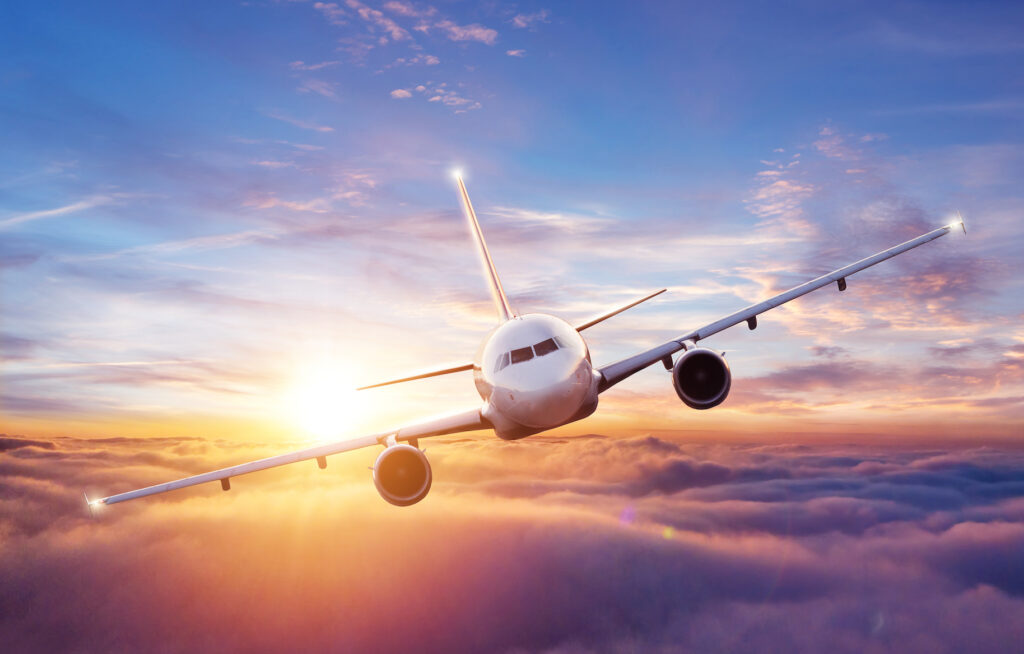
At anuju.com, where seamless travel experiences are a priority, understanding the psychology behind flight comfort can help travelers make smarter choices when booking flights, selecting seats, and planning long-haul journeys. The modern airline cabin is no longer just a space, it’s a carefully engineered environment designed to soothe the mind and body.
One of the most powerful tools airlines use to create calm is sensory design. Soft, ambient lighting helps reduce anxiety and jet lag by aligning with the body’s internal clock. Cooler blue tones are often used during boarding to promote relaxation, while warmer hues are introduced during meal times to create a sense of comfort and familiarity. Even subtle adjustments like dimming cabin lights during turbulence can psychologically reassure passengers and reduce perceived stress.
Another critical factor is sound or the strategic reduction of it. Aircraft manufacturers and airlines are increasingly focused on minimizing jet noise, which has long been a major contributor to in-flight fatigue and discomfort. Advanced engine designs, improved insulation materials, and aerodynamic innovations all play a role in creating quieter cabins. Reduced noise levels not only make it easier for passengers to rest but also lower stress hormones, helping travelers arrive at their destination feeling refreshed rather than drained.
The Science Behind Calm Cabin Experiences
Airlines rely heavily on behavioral psychology to shape passenger perception. For instance, wider seats and increased legroom are not just physical upgrades, they create a sense of personal space, which is directly linked to reduced anxiety. Even the curvature of cabin walls and overhead bins is designed to make spaces feel more open and less claustrophobic.
Cabin crew training also plays a subtle yet significant role. Calm, confident communication during boarding, turbulence, or delays can dramatically influence how passengers perceive their journey. A reassuring tone and clear instructions help reduce uncertainty, which is one of the biggest triggers of travel-related stress.
Additionally, scent marketing, though less obvious is being explored by some airlines. Familiar or pleasant scents can evoke positive emotional responses, making passengers feel more at ease. Combined with ergonomic seating and improved air quality systems, these elements work together to create a holistic comfort experience.
Reducing Jet Noise: Engineering Meets Experience
Jet noise has historically been an unavoidable part of flying, but recent advancements are changing that narrative. Modern aircraft engines are designed with high bypass ratios, allowing them to operate more quietly while improving fuel efficiency. Inside the cabin, sound-absorbing materials are strategically placed to dampen vibrations and reduce ambient noise.
Some airlines are also incorporating active noise-canceling technologies within premium cabins, while encouraging passengers to use noise-canceling headphones for an even more immersive quiet experience. The result is a cabin environment where conversations are easier, sleep is deeper, and overall comfort is significantly improved.
For travelers booking through anuju.com, choosing newer aircraft models or premium cabin options can make a noticeable difference in noise levels and overall comfort. These small decisions can transform a long-haul flight into a far more pleasant journey.
The Future of Calm in the Sky
Looking ahead, the future of flight comfort will likely become even more personalized. Airlines are exploring AI-driven cabin environments that adjust lighting, temperature, and even entertainment options based on individual passenger preferences. Imagine a seat that intuitively adapts to your posture or a cabin that gradually shifts lighting to match your destination’s time zone before you even land.
Biometric feedback and wearable technology may also play a role, allowing airlines to monitor passenger stress levels in real time and adjust cabin conditions accordingly. These innovations point toward a future where flying is not just tolerable, but genuinely enjoyable.
Final Thoughts
The psychology of flight comfort is a fascinating blend of science, design, and human understanding. By reducing jet noise, optimizing cabin environments, and focusing on passenger well-being, airlines are redefining what it means to travel comfortably.
When planning your next trip with anuju.com, consider more than just price and destination, think about the experience. Because in today’s world of travel, comfort isn’t a luxury, it’s part of the journey itself.






Leave a Reply
You must be logged in to post a comment.