

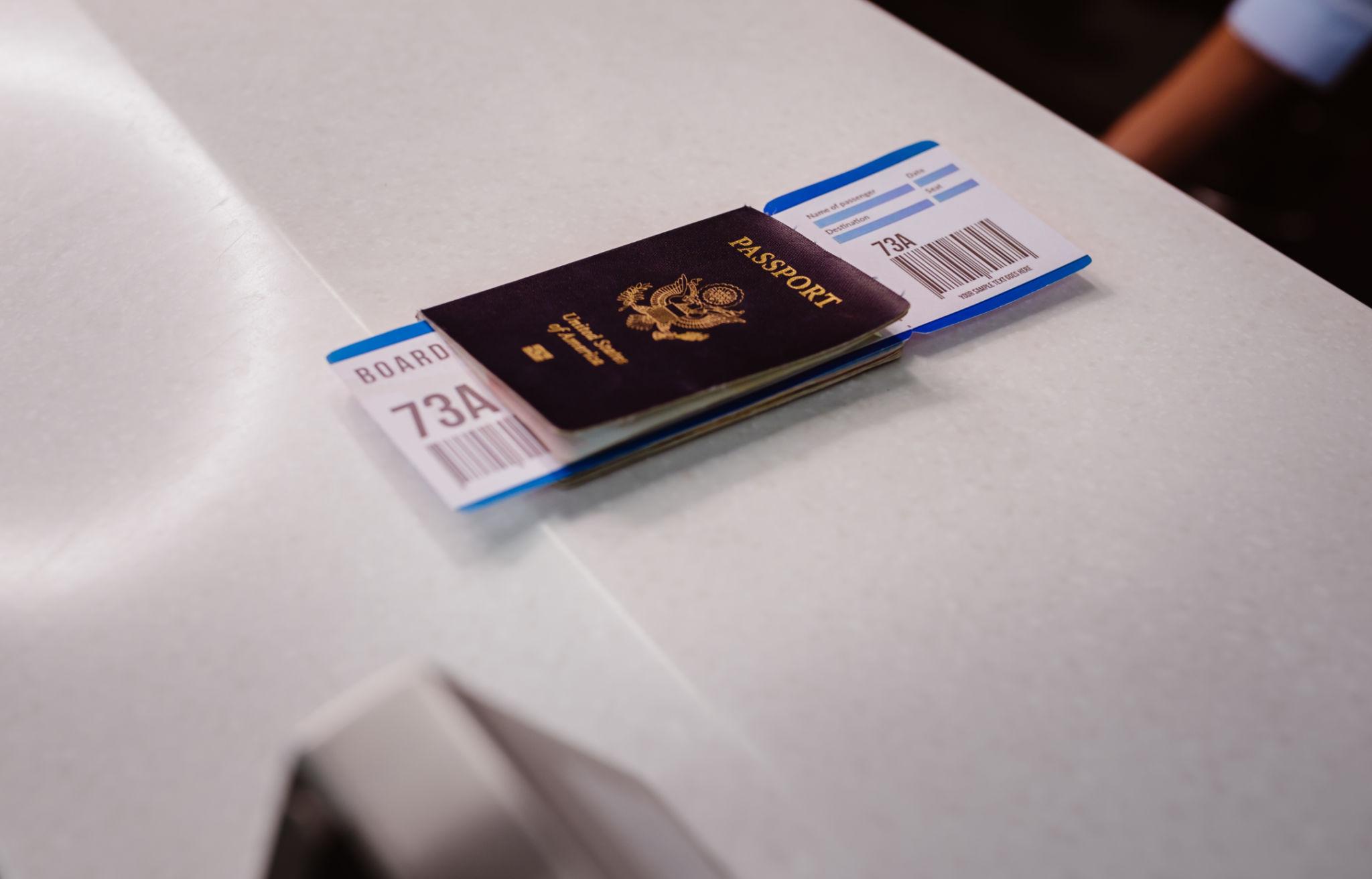
Imagine standing at an airport check-in desk, excited for the adventure of a lifetime, only to discover that your passport determines whether your journey begins smoothly—or becomes a stressful process of visa applications, paperwork, and waiting periods.
This is the reality of global travel today.
Not all passports are created equal. Some grant holders access to over 190 destinations without a visa, while others require extensive documentation before entry into even nearby countries. This difference is what people refer to as passport power.
But what makes one passport more powerful than another? Why do certain countries enjoy greater travel freedom? And most importantly, what does this mean for travelers—especially those from countries where visa restrictions are stricter?
In this guide, we’ll explore the fascinating world of passport rankings, why they matter, and how travelers can navigate the global mobility system more strategically.

What Does It Mean for a Passport to Be “Powerful”?
A passport’s power is measured by the number of countries its holder can enter without needing a visa beforehand.
This includes:
- Visa-free access – no visa required at all
- Visa on arrival – visa issued upon entry
- Electronic travel authorization (eTA) – digital approval before departure
The more destinations accessible under these conditions, the more powerful the passport.
For example, citizens of countries like Singapore, Japan, and Germany often enjoy access to over 190 destinations globally, making their passports among the strongest in the world.
Meanwhile, travelers from countries with fewer diplomatic agreements may face more restrictions.
Why Are Some Passports More Powerful Than Others?
Passport strength is not random—it reflects broader global relationships and national standing.
1. Diplomatic Relations
Countries with strong international ties often negotiate reciprocal travel agreements.
If two nations maintain healthy diplomatic relations, they are more likely to allow each other’s citizens easier entry.
This is why politically stable nations with active global engagement tend to have stronger passports.
2. Economic Strength
A country’s economy plays a major role.
Wealthier nations are often viewed as lower immigration risks because their citizens are less likely to overstay visas in search of better opportunities.
Economic stability builds trust among other governments.
3. Security Standards
Countries with advanced biometric systems, secure identification processes, and strict anti-fraud measures are seen as more reliable.
A secure passport increases international confidence.
4. Immigration Trends
If a country has high rates of undocumented migration or visa overstays, other nations may impose stricter requirements.
Passport power is often influenced by how citizens of that country have historically traveled abroad.
5. Global Reputation
Political stability, governance quality, and international cooperation all contribute.
Countries known for transparency and security often receive better travel privileges.
The Global Passport Ranking System
Organizations like the Henley & Partners publish annual passport rankings based on data from international travel authorities.
These rankings evaluate how many destinations each passport can access without a prior visa.
While rankings shift over time, they reveal larger trends in global mobility.
For travelers, these rankings help set realistic expectations and guide travel planning.
What Passport Power Means for Travelers
Passport strength directly impacts the travel experience.
Easier Planning
Travelers with stronger passports can make spontaneous decisions.
Weekend in Paris? Business trip to Dubai? Often possible without lengthy approvals.
Lower Costs
Visa applications can be expensive.
Fees, courier services, document preparation, and embassy visits all add up.
A stronger passport reduces these extra expenses.
More Opportunities
Travel freedom creates better access to education, conferences, tourism, and business ventures.
It expands personal and professional possibilities.
Reduced Stress
Anyone who has navigated a complicated visa process knows the emotional burden involved.
More visa-free access means smoother journeys.
What It Means for Nigerian Travelers
For holders of a Nigeria passport, international travel often requires more preparation.
This can feel discouraging—but it does not mean travel is impossible.
In fact, many destinations remain accessible through visa-on-arrival or flexible entry systems.
The key is strategy.
Smart Travel Strategies for Travelers With Limited Passport Access
1. Start With Visa-Friendly Destinations
Explore countries that welcome your passport category.
This helps build travel history and confidence.
Popular options often include parts of Africa, Asia, and the Caribbean.
2. Build a Strong Travel Record
Frequent, compliant travel strengthens future visa applications.
A positive travel history signals credibility.
3. Maintain Financial Transparency
Embassies value clear proof of funds and stable income.
Well-organized financial documents improve approval chances.
4. Apply Early
Avoid last-minute visa stress.
Starting the process early provides time to fix errors or gather missing documents.
5. Use Expert Travel Support
Professional guidance can simplify complex applications.
This is where experienced agencies like Anuju become invaluable—helping travelers navigate documentation, planning, and booking with confidence.
Can Passport Power Change?
Absolutely.
Passport rankings evolve as diplomatic agreements shift and global politics change.
Countries can strengthen their mobility over time by improving international relations, security standards, and economic partnerships.
History has shown that passport power is dynamic—not permanent.
Why This Topic Matters More in 2026
As travel rebounds and global mobility continues to evolve, understanding passport power is more important than ever.
Travelers who understand the system can make smarter choices, reduce frustration, and unlock better opportunities.
Knowledge transforms limitations into strategy.
The Bigger Lesson: Travel Is Still Possible
A passport may influence your route, but it should never define your dreams.
Yes, some travelers have easier access—but determination, preparation, and smart planning can bridge many gaps.
The world remains open to those who plan wisely.
And with the right support, your next destination is closer than you think.
At Anuju, we believe every traveler deserves access to unforgettable experiences—regardless of passport strength.
Because travel is not just about where you come from. It is about where you are willing to go.
Frequently Asked Questions (FAQs)
1. What makes a passport powerful?
A passport is considered powerful based on how many countries its holder can enter without requiring a visa beforehand.
2. Which countries have the strongest passports in 2026?
Countries like Singapore, Japan, and Germany consistently rank among the strongest.
3. Can a passport become stronger over time?
Yes. Diplomatic agreements, economic growth, and improved security systems can increase passport strength.
4. Does having a weaker passport mean I cannot travel?
Not at all. It simply means you may need more preparation, visa applications, and strategic destination choices.
5. How can Anuju help travelers?
Anuju provides expert support with travel planning, documentation guidance, flight booking, and destination advice to make global travel easier and more accessible.
Final Thoughts
In a world where mobility often equals opportunity, passport power matters—but it is not everything.
The smartest travelers understand the system, adapt to it, and use every available resource to reach their goals.
No matter your passport ranking, the world is still full of possibilities.
And when you are ready to explore it, Anuju is here to guide the way.








Leave a Reply
You must be logged in to post a comment.