

In recent years, global travel habits have started to shift. Instead of focusing only on world-famous cities like Paris, Dubai, or New York, more travelers are exploring what’s now being called “second-destination travel.” These are lesser-known cities, nearby towns, or secondary regions that sit just outside major tourist hotspots, but often deliver richer, more authentic experiences.
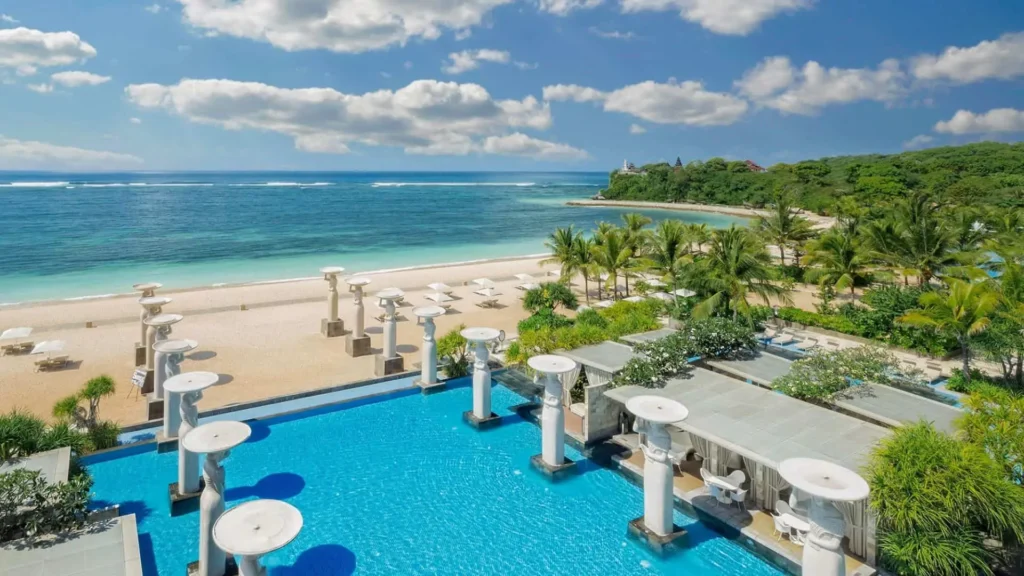
This trend is driven by travelers who want to avoid overcrowding, high prices, and over-commercialized attractions. Instead of staying in the capital city, they extend their journey to nearby destinations like Porto instead of Lisbon, Lyon instead of Paris, or Busan instead of Seoul. These places offer similar cultural depth, but with fewer crowds and more local charm.
Another reason for this shift is the desire for value and uniqueness. Second destinations often provide more affordable hotels, easier transport access, and immersive cultural experiences that haven’t been shaped heavily by mass tourism. Travelers are increasingly realizing that the “hidden gems” next door can sometimes be more memorable than the headline cities themselves.
For travel brands like Anuju, which offers worldwide flights, hotels, and tours, this trend opens up exciting opportunities. It allows travelers to design more flexible itineraries, combining famous cities with nearby underrated destinations. For example, a trip to Rome can easily include day tours to Tivoli, or a visit to Tokyo can extend to Yokohama for a calmer urban experience.
Ultimately, second-destination travel is about depth over hype. It’s about slowing down, exploring more intentionally, and discovering places that feel more personal and less staged. As this movement continues to grow, travelers are redefining what it means to truly “see the world”, not just its capitals, but its hidden edges too.








Leave a Reply
You must be logged in to post a comment.