

Travel is one of life’s greatest adventures—but beyond the excitement of exploring new destinations lies a world of fascinating details most travelers never think about.
From the secrets hidden inside airports to surprising truths about airplanes, the travel industry is full of stories that can change the way you see every journey.
The next time you step into an airport or board a flight, you may notice things differently—because behind every takeoff and landing are incredible systems, history, and little-known facts.
Get ready to discover some of the most surprising travel facts that will make you appreciate the magic of global exploration even more.
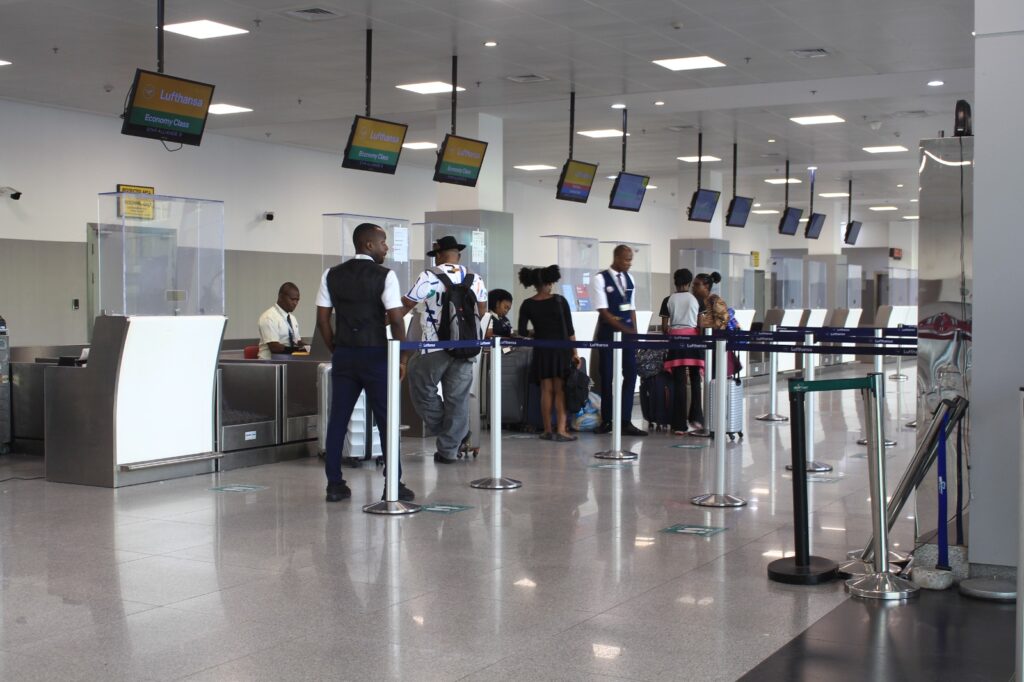
1. The World’s Largest Airport Is Bigger Than Some Cities
King Fahd International Airport holds the title as the world’s largest airport by land area.
It covers over 770 square kilometers—larger than many cities around the globe.
That means the airport itself is almost like a destination.
Not every part is used for terminals, of course, but the scale is astonishing.
2. Airplane Food Tastes Different for a Scientific Reason
Have you ever wondered why food on planes often tastes bland?
It is not because airlines lack good chefs.
At high altitude, cabin pressure and dry air reduce your ability to taste sweetness and saltiness by up to 30%.
This changes how flavors are perceived.
That is why airlines often season meals more heavily than normal.
So the next time your meal tastes unusual, blame science—not the kitchen.
3. Pilots and Co-Pilots Usually Eat Different Meals
This is a safety protocol.
Airlines often require pilots and co-pilots to eat different meals to reduce the risk of both becoming ill from food poisoning.
It is one of many behind-the-scenes procedures designed to protect passengers.
A small detail—but a critical one.
4. The Busiest Airport in the World Handles Millions of Travelers
Hartsfield–Jackson Atlanta International Airport is widely recognized as one of the busiest airports globally.
It serves over 100 million passengers annually in peak years.
That is more than the population of many countries.
Its efficiency and connectivity make it a major global travel hub.
5. Some Flights Are Faster Because of Earth’s Rotation
Flights traveling east often arrive faster than westbound flights.
Why?
Because of the jet stream—fast-moving air currents in the upper atmosphere.
Aircraft use these winds to reduce travel time.
This is why routes between continents can vary in duration depending on direction.
Nature helps aviation move smarter.
6. There Is a Flight That Lasts Less Than Two Minutes
One of the shortest commercial flights in the world connects two islands in Scotland.
The journey can take as little as 90 seconds under favorable weather.
That is shorter than many elevator rides.
It proves that not all flights involve hours in the sky.
7. Airport Codes Often Tell a Story
Why is the airport code for Toronto “YYZ”?
Why does Los Angeles use “LAX”?
Airport codes often originate from old weather stations, city abbreviations, or aviation systems.
Many carry historical significance that predates modern travel.
These three-letter codes are more than labels—they are part of aviation history.
8. Some Airports Have Indoor Forests and Waterfalls
Modern airports are becoming attractions in their own right.
Jewel Changi Airport features one of the world’s tallest indoor waterfalls and a lush indoor forest.
Travelers often visit just to experience the architecture and atmosphere.
For some airports, the journey begins before boarding.
9. Airplane Tires Are Built for Extreme Conditions
Aircraft tires endure incredible stress.
They can hit the runway at speeds over 270 km/h and support enormous weight.
Despite this, they are designed to last for hundreds of landings.
Their engineering is among the most advanced in transportation.
Not your average tires.
10. There Are Secret Sleeping Rooms in Some Airports
Long layover?
Some airports offer hidden rest pods, mini-hotels, and quiet sleeping areas.
Travelers who know where to look can enjoy comfort between flights.
These services are especially valuable during international connections.
A little insider knowledge can transform your airport experience.
11. Flight Attendants Are Safety Experts First
Many people assume flight attendants mainly provide hospitality.
In reality, their primary role is passenger safety.
They are extensively trained in emergency procedures, medical response, evacuation, and conflict management.
Their calm professionalism is backed by serious expertise.
12. The Longest Flights Can Last Over 18 Hours
Ultra-long-haul routes now connect distant parts of the globe nonstop.
Some flights exceed 18 hours in duration.
These journeys represent how far aviation technology has evolved.
What once took days can now happen within a single travel cycle.
Why These Facts Matter for Travelers
Understanding travel systems adds a new layer of appreciation.
Airports and flights are not just logistical necessities—they are complex ecosystems built to move millions of people safely and efficiently.
Knowing these details can make travel feel less stressful and more fascinating.
It transforms routine journeys into stories worth remembering.
What This Means for Nigerian Travelers
For travelers in Nigeria, global travel is becoming increasingly accessible.
The more informed you are, the better your travel experience becomes.
Knowing airport processes, airline systems, and travel tips gives you confidence.
And confidence makes every journey smoother.
Travel Smarter With Anuju
At Anuju, we believe travel should be exciting from start to finish.
That includes understanding the hidden side of global exploration.
From booking support to travel guidance, we help travelers move with confidence and curiosity.
Because every trip should be memorable—not just the destination, but the journey itself.
Final Thoughts
The world of airports, flights, and travel is full of surprises.
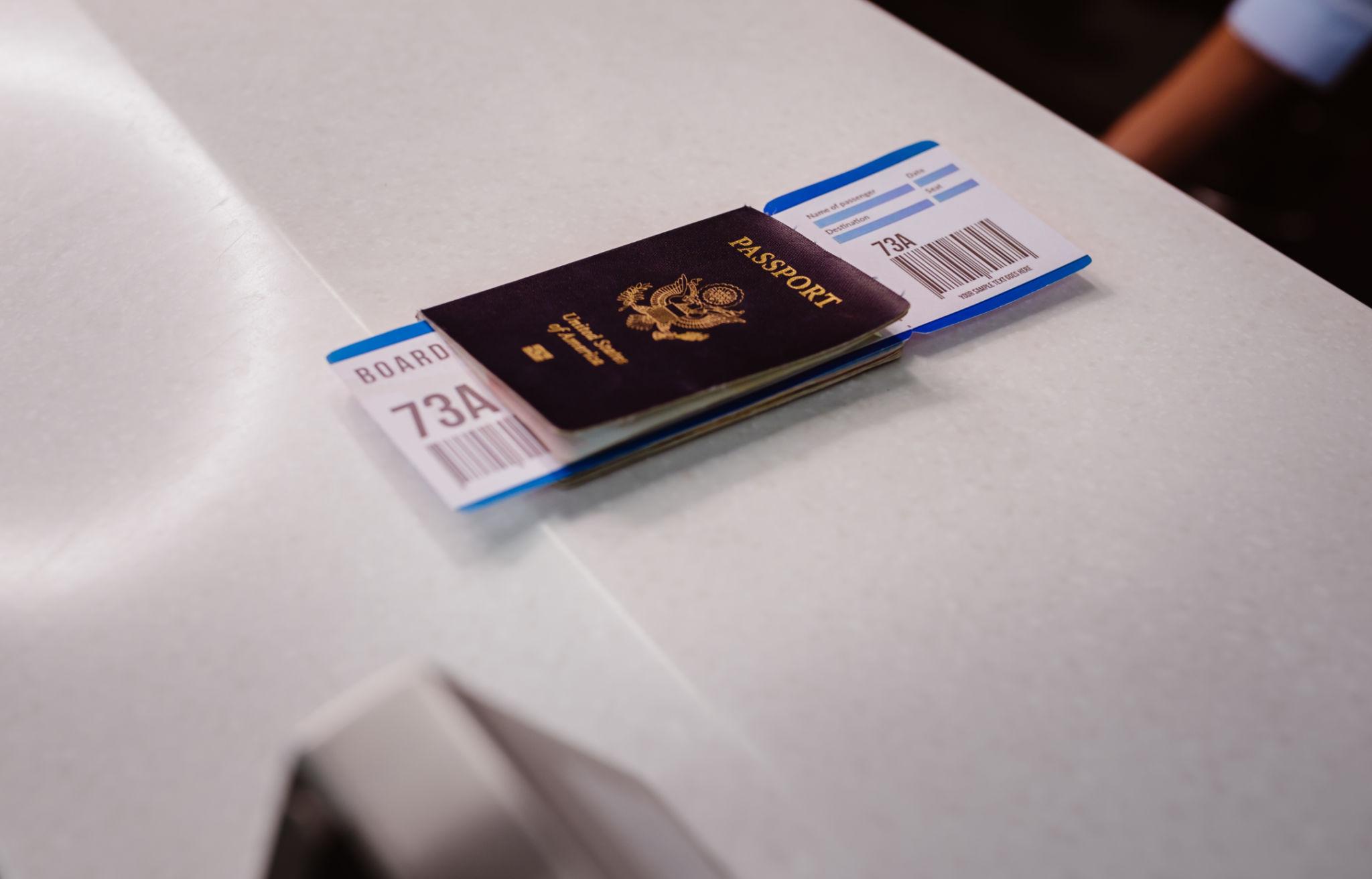
Behind every boarding pass is a fascinating story.
And the more you know, the more rewarding travel becomes.
So next time you step into an airport, remember—you are part of an incredible global system connecting cultures, dreams, and adventures.
And that is something worth appreciating.
Frequently Asked Questions (FAQs)
1. Why does airplane food taste different?
Cabin pressure and dry air reduce taste sensitivity, especially for salt and sweetness.
2. What is the world’s largest airport?
King Fahd International Airport is the largest by land area.
3. Why are some flights shorter in one direction?
Jet streams can speed up eastbound flights and slow westbound ones.
4. Are airports becoming tourist attractions?
Yes. Many airports now feature luxury shopping, entertainment, art, and unique architecture.
5. How can Anuju help travelers?
Anuju offers travel planning, bookings, and expert support for smooth and enjoyable journeys.








Leave a Reply
You must be logged in to post a comment.