

In today’s fast-paced digital travel market, flight and hotel prices can change in a matter of minutes. One moment you’re browsing an affordable ticket, and the next, the fare has jumped dramatically. This constant price fluctuation is known as dynamic pricing, a strategy used by airlines, hotels, and travel platforms to adjust costs in real time based on demand, competition, availability, and customer behaviour. For travellers who don’t understand how it works, it can feel confusing or even unfair. But with the right insight, you can actually use dynamic pricing to your advantage.
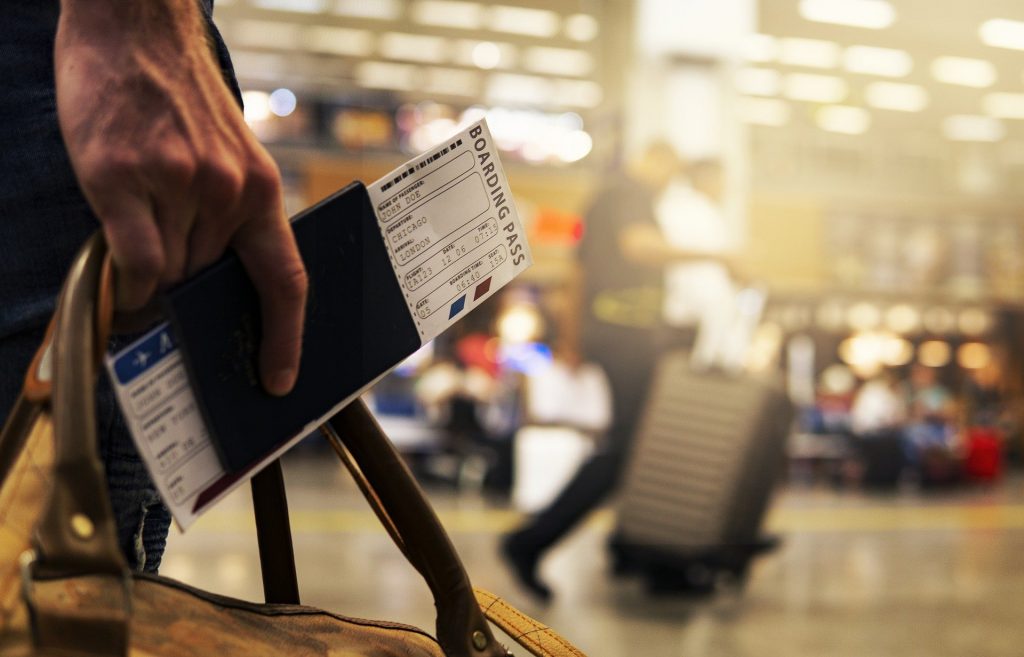
Dynamic pricing is powered by advanced algorithms that track multiple factors at once. Airlines, for example, adjust fares depending on how many seats are left, how popular a route is during a particular season, or how close the travel date is. Hotels use a similar pattern — room prices climb during holidays, events, or periods of high local demand. Even your search habits can influence prices, as some platforms use cookies to detect repeated interest in a particular destination.
Understanding this system is essential for modern travellers. Instead of being surprised by unexpected fare changes, you can make more strategic booking decisions. Knowing when to buy, what tools to use, and how to avoid artificial price inflation can save you significant money — especially when planning long-haul trips or multi-destination adventures.
How Dynamic Pricing Works Behind the Scenes
Airlines and hotels rely on revenue management systems to continuously analyse market trends. These systems monitor booking patterns, competitor pricing, weather conditions, and even global events. When demand spikes — perhaps due to a holiday season or a big concert in a destination — prices automatically surge. When demand drops, prices are lowered to fill remaining seats or rooms. This ensures that travel companies maximize revenue while travellers secure options that reflect real-time market value.
For airlines, the timing of your booking plays a huge role. Prices often start low when tickets first go on sale, then gradually increase as seats fill up. Last-minute bookings tend to be more expensive, not because of scarcity alone, but because airlines assume travellers booking at the last minute are less price-sensitive. Hotels, on the other hand, may lower rates close to the check-in date if they still have many rooms available. Understanding these patterns helps you know when to book flights early and when to wait for hotel deals.
Why Prices Change for You Specifically
Dynamic pricing doesn’t only rely on global demand — it also reacts to individual user behaviour. Travel platforms may track how many times you’ve searched a particular route, how long you spend reviewing certain hotels, and what preferences you show. If their algorithms sense high interest, they may assume you’re ready to purchase soon and increase prices slightly. This is why browsing incognito or clearing cookies can sometimes display lower fares.
Device type can also play a subtle role. Some companies have historically shown higher prices to users browsing on high-end devices like iPhones or MacBooks, believing they may be more willing to spend. Although this practice is less common today, it still highlights how personalized travel pricing can be.
Tips to Beat Dynamic Pricing and Save More
Dynamic pricing doesn’t have to work against you. There are strategies travellers use to stay ahead of price swings:
1. Browse in incognito or private mode
This prevents websites from using cookies to track your search patterns and potentially raise prices.
2. Use price comparison and tracking tools
Platforms like Google Flights, Skyscanner, and Hopper notify you when prices drop so you can book at the perfect time.
3. Book flights early, but book hotels strategically
Flights usually get more expensive over time, but hotels may offer last-minute deals if rooms are still available.
4. Avoid peak travel times
Public holidays, festivals, and weekends naturally trigger higher prices. Flexible travel dates save money.
5. Check alternative airports or nearby cities
A minor change in departure or arrival locations can unlock cheaper options.
6. Refresh your search or use another device
This can reset personalized price adjustments.
The Future of Dynamic Pricing in Travel
As technology continues to evolve, dynamic pricing will become even smarter and more adaptive. Artificial intelligence and machine learning are already helping airlines and hotels predict fluctuations with greater accuracy. For travellers, this means more frequent price changes — but also more opportunities to grab amazing deals if you understand the system.
Travel agencies like anuju.com are also integrating smarter tools to help customers monitor fare volatility and book at the most favourable times. Instead of fighting dynamic pricing, travellers can now use it as a strategic advantage.









Leave a Reply
You must be logged in to post a comment.