

Traveling long-term is one of the most rewarding ways to explore the world—slowly, intentionally, and with enough time to immerse yourself in different cultures. But extended trips also come with unique risks that short vacations don’t. From unexpected medical emergencies to legal requirements for foreign residency, having the right health insurance and safety plan can make all the difference. At anuju.com, where we offer worldwide flights, hotels, and curated tours, we believe you should enjoy your travels with total peace of mind.

Before you pack your bags and embark on your next adventure, understanding how to protect your health, safety, and finances is just as important as choosing your destination. Long-term travel exposes you to unfamiliar environments, varied climates, and different healthcare systems. This means you need coverage that works internationally—not just domestically. In addition, safety planning, emergency preparation, and smart habits can significantly reduce risks during extended stays abroad.
Another key factor for long-term travelers is understanding the healthcare requirements of the countries you plan to visit. Some nations require proof of travel health insurance before entry or before issuing long-stay visas. Others might have limited healthcare access in remote regions, meaning your insurance should include medical evacuation and emergency transport. Knowing these details early helps you plan a smooth and stress-free journey.
Why Long-Term Travelers Need Specialized Health Insurance
Regular travel insurance often focuses on short trips and may not support extended stays of several months. Long-term travelers—digital nomads, students, expatriates, or slow explorers—should choose international health insurance that covers:
- Emergency treatment and hospitalization
- Routine medical care
- Chronic illness management
- Prescription medications
- Medical evacuation and repatriation
- Adventure sports add-ons (if you’ll be hiking, diving, or skiing)
Comprehensive insurance means you’re covered whether you’re visiting a clinic in Bali, a hospital in Portugal, or seeking specialist care in Dubai.
Essential Safety Tips for Long-Term Travelers
Staying safe during extended travel goes beyond having insurance. It requires proactive planning and everyday awareness. Here are key safety habits to adopt:
1. Keep Digital and Physical Copies of Important Documents
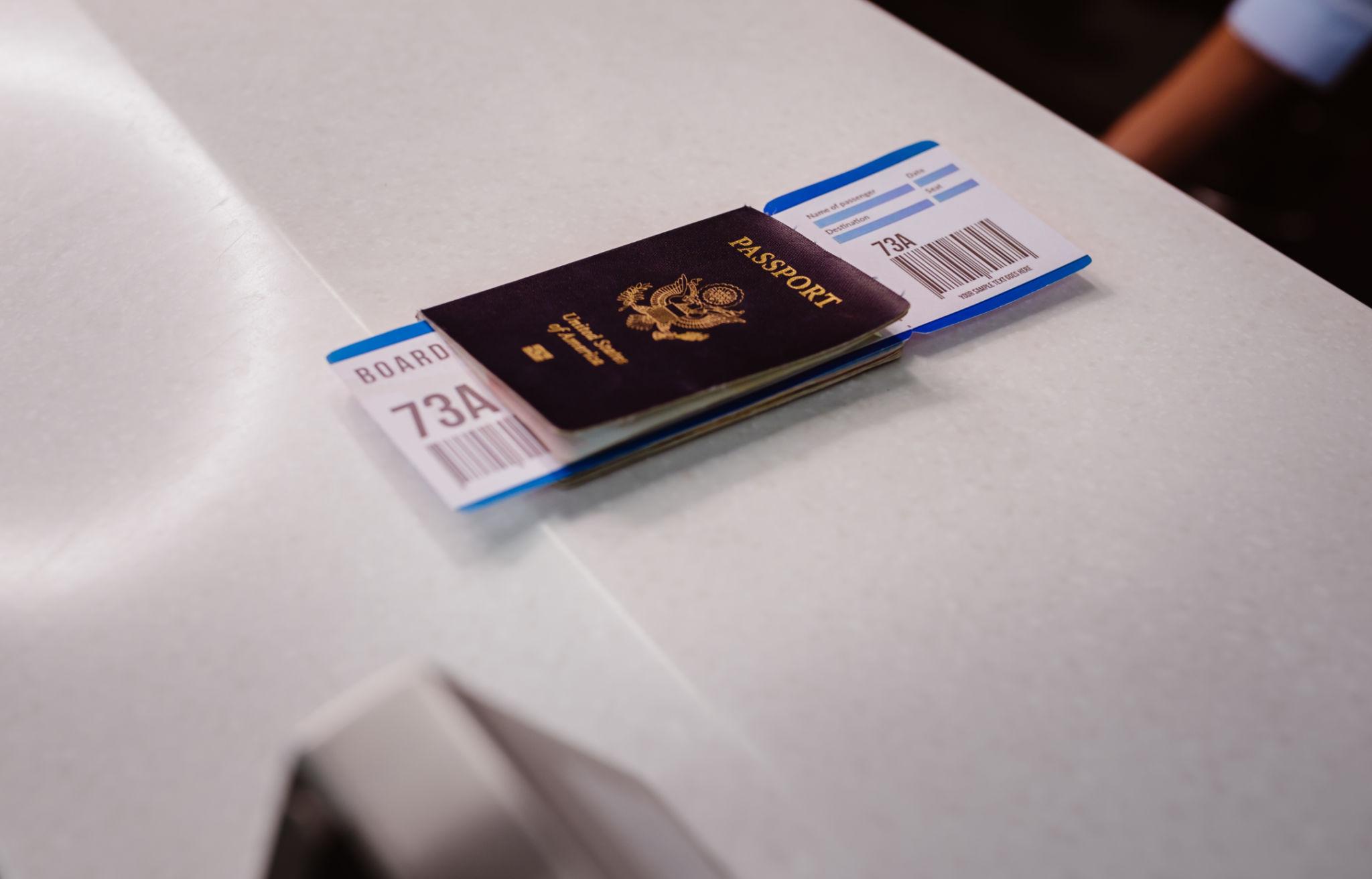
Your passport, insurance details, visa, ID cards, and emergency contacts should be stored securely both online (in cloud storage) and physically in separate bags.
2. Understand Local Laws and Healthcare Systems
Research the medical facilities available in your host country. Some areas have excellent private hospitals, while others may require long travel to get proper care.
3. Stay Updated on Vaccinations and Preventive Care
Long-term stays often expose you to new climates, foods, and insects. Ensure your vaccines, malaria prophylaxis (where needed), and general check-ups are up to date before departure.
4. Use Technology for Safety
Apps like offline maps, location-sharing tools, language translators, and emergency service apps can be life-saving in unfamiliar environments.
5. Practice Financial and Digital Safety
Use strong passwords, two-factor authentication, and secure Wi-Fi. Avoid displaying wealth, and keep backup funds easily accessible.
Why Choosing the Right Travel Partner Matters
Having a travel agency like anuju.com by your side gives you confidence while exploring the world long-term. From booking safe accommodations and reliable transportation to providing guidance on travel requirements, we help you make informed decisions every step of the way.
Long-term travel should be enriching, not stressful. With the right health insurance and safety practices, you can explore the world freely, responsibly, and with total peace of mind.









Leave a Reply
You must be logged in to post a comment.