

Airports are often seen as merely functional spaces, a place to catch a plane, navigate security, and wait for boarding. But increasingly, experts are recognizing that the design of an airport can profoundly affect your travel mood. From the layout of terminals to the lighting, seating, and even ambient music, every element contributes to how relaxed, stressed, or energized you feel while traveling. The psychology of airport design is no longer just about efficiency; it’s about creating an environment that supports a smoother, more enjoyable journey.

A thoughtfully designed airport can turn what might be a stressful experience into a more pleasant one. For instance, wide, open spaces with natural light can reduce feelings of claustrophobia and anxiety, while clearly marked signage and logical terminal flow minimize confusion and frustration. Amenities like comfortable seating, green spaces, art installations, and even calming sounds can significantly influence passengers’ emotions. On the contrary, poorly designed airports, crowded spaces, dim lighting, or complex layouts can heighten stress levels, making even short layovers feel exhausting.
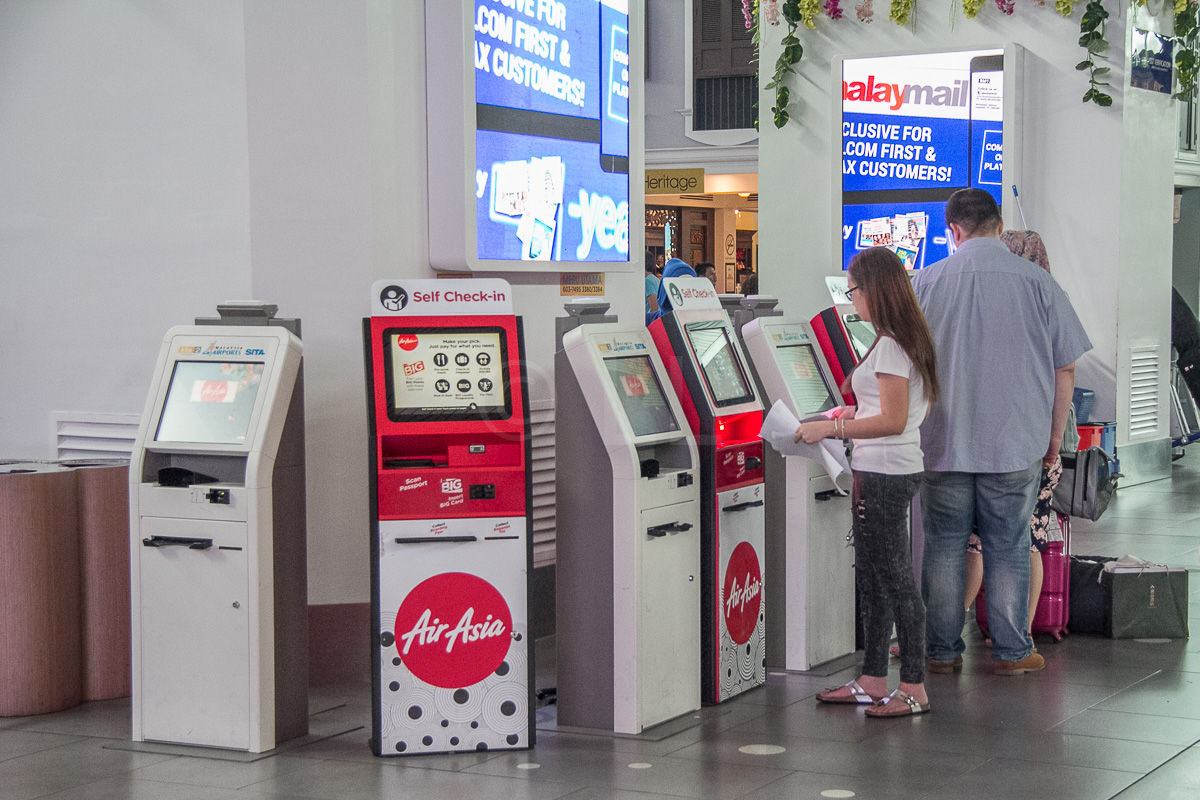
Airport design also plays a crucial role in shaping your perception of the travel experience. Travelers are more likely to feel welcome and at ease when spaces are intuitive and aesthetically pleasing. Features such as interactive wayfinding screens, strategically placed lounges, and varied retail and dining options provide comfort and convenience, helping passengers feel more in control. Additionally, environmental elements like air quality, temperature, and acoustics can subtly influence mood and cognitive function, ensuring that travelers arrive at their destinations feeling refreshed rather than frazzled.
Moreover, understanding the impact of airport design can help frequent travelers make smarter choices. Opting for airports known for smooth layouts and passenger-friendly amenities can reduce pre-flight stress and improve overall travel satisfaction. For travel agencies like Anuju.com, appreciating these details means better recommendations for flights, layovers, and even airport transfers, enhancing the client’s entire journey from start to finish.
Ultimately, airport design is far more than aesthetics or architecture, it’s about shaping an experience. As travelers, the next time you step into a well-designed terminal, pay attention to how the space makes you feel. Your mood, comfort, and even your energy levels for the flight ahead may owe a lot to the thoughtful planning behind the walls and walkways around you.







Leave a Reply
You must be logged in to post a comment.