

Have you ever noticed how people seem more alive when they travel?
There’s something magical about boarding a plane to a new destination, watching unfamiliar landscapes pass by, tasting foods you’ve never tried before, or hearing a language you don’t understand while walking through a busy foreign street.
Travel changes people.
It’s more than taking photos for social media or escaping daily routines for a few days. Science and psychology both suggest that traveling has a powerful effect on the human mind. It can reduce stress, improve emotional well-being, increase creativity, strengthen relationships, and even help people rediscover themselves.
That’s why many travelers often return home saying things like:
- “I feel refreshed.”
- “I needed this trip.”
- “Travel changed my perspective.”
- “I finally feel alive again.”
But why does travel have such a strong emotional impact on people?
In this Anuju guide, we’ll explore the fascinating psychology of travel and why exploring the world can make people genuinely happier, healthier, and more fulfilled.
Travel Breaks the Mental Routine of Everyday Life

Human brains naturally fall into routines.
Most people wake up at the same time, follow similar schedules, commute through familiar routes, and repeat the same habits every day. While routines can create stability, too much repetition can also lead to:
- Mental fatigue
- Burnout
- Stress
- Emotional boredom
Travel interrupts that cycle.
When you enter a new environment, your brain becomes more alert and engaged because everything feels unfamiliar:
- New streets
- Different cultures
- Foreign languages
- New foods
- Unexpected experiences
Psychologists often explain that novelty stimulates the brain and activates positive emotional responses. New experiences create excitement and curiosity, which are strongly connected to happiness.
This is one reason why even planning a trip can make people feel happier before the journey even begins.
Travel Reduces Stress and Mental Exhaustion
Modern life can be overwhelming.
Work pressure, financial responsibilities, social media overload, and daily obligations can slowly drain mental energy. Many people don’t realize how emotionally exhausted they are until they finally step away from their environment.
Travel creates distance from stress.

Studies have shown that vacations can help lower stress hormones and improve overall mood. A change of scenery allows the mind to rest from constant pressure and repetitive worries.
Simple travel experiences can have surprisingly calming effects:
- Listening to ocean waves
- Watching sunsets
- Walking through nature
- Exploring quiet villages
- Disconnecting from work emails
Even short trips can provide emotional relief that lasts long after returning home.
That’s why many people describe travel as therapy for the soul.
Travel Creates Anticipation and Excitement
Interestingly, happiness from travel often begins before the trip itself.
Research suggests that people experience increased happiness while:
- Planning vacations
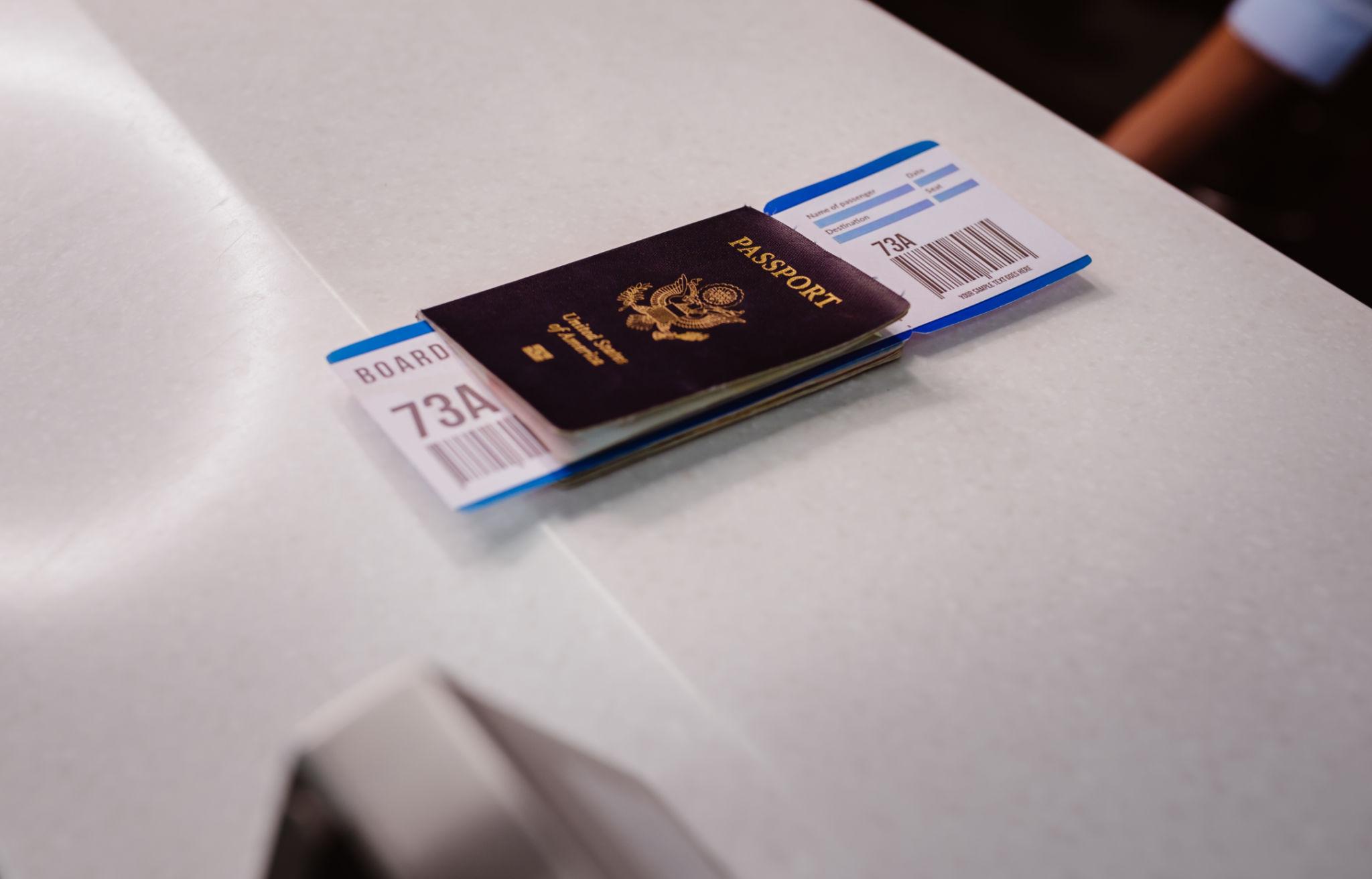
- Booking flights
- Watching travel videos
- Creating itineraries
- Imagining future experiences
The anticipation of something exciting activates positive emotions and gives people something meaningful to look forward to.
In many cases, experiences create more lasting happiness than material possessions.
A new phone may feel exciting temporarily, but memories from an unforgettable trip can stay emotionally valuable for decades.
New Experiences Boost Creativity

Travel exposes people to different ways of living and thinking.
This expands mental flexibility and creativity.
When people experience:
- Different cultures
- New traditions
- Alternative lifestyles
- Unfamiliar architecture
- Diverse perspectives
…the brain learns to think beyond its normal patterns.
This is why many writers, artists, entrepreneurs, and creators travel regularly for inspiration.
Psychologists believe exposure to diverse environments helps people:
- Solve problems differently
- Become more open-minded
- Increase imagination
- Improve adaptability
Sometimes one journey can completely reshape a person’s worldview.
Travel Helps People Rediscover Themselves
One of the most powerful psychological effects of travel is self-discovery.
Away from familiar environments, many people begin reconnecting with parts of themselves that daily routines suppress.
Travel often gives people time to reflect on:
- Life goals
- Relationships
- Career choices
- Personal happiness
- Identity and purpose
This is especially true during:
- Solo travel
- Long-term travel
- Nature retreats
- Cultural immersion experiences

Without constant distractions, travelers often gain clarity about what truly matters to them.
Many life-changing decisions are made while traveling:
- Career changes
- Relationship decisions
- Relocations
- New business ideas
- Lifestyle transformations
Travel creates space for introspection in ways ordinary life rarely allows.
Travel Builds Confidence and Independence
Every trip involves small challenges:
- Navigating unfamiliar places
- Communicating with strangers
- Solving unexpected problems
- Managing delays
- Adapting to cultural differences
Successfully overcoming these situations builds confidence.
The more people travel, the more capable they often feel.
Travel teaches valuable life skills like:
- Problem-solving
- Patience
- Flexibility
- Communication
- Independence
Even getting lost in a foreign city can become an empowering experience once you figure things out on your own.
This confidence often carries over into everyday life back home.
Human Connection Makes People Happier

Travel creates opportunities for human connection that are difficult to replicate elsewhere.
People often meet:
- Locals
- Fellow travelers
- Tour guides
- New friends
- Different cultures and communities
These interactions can become deeply meaningful.
Travel reminds people that despite language, nationality, or cultural differences, humans share many universal emotions:
- Kindness
- Curiosity
- Joy
- Compassion
- Hospitality
Positive social experiences are strongly linked to emotional well-being and happiness.
Sometimes strangers met during travel become lifelong friends.
Nature and Beautiful Environments Improve Mood
Many popular travel destinations naturally improve emotional well-being because they expose people to:
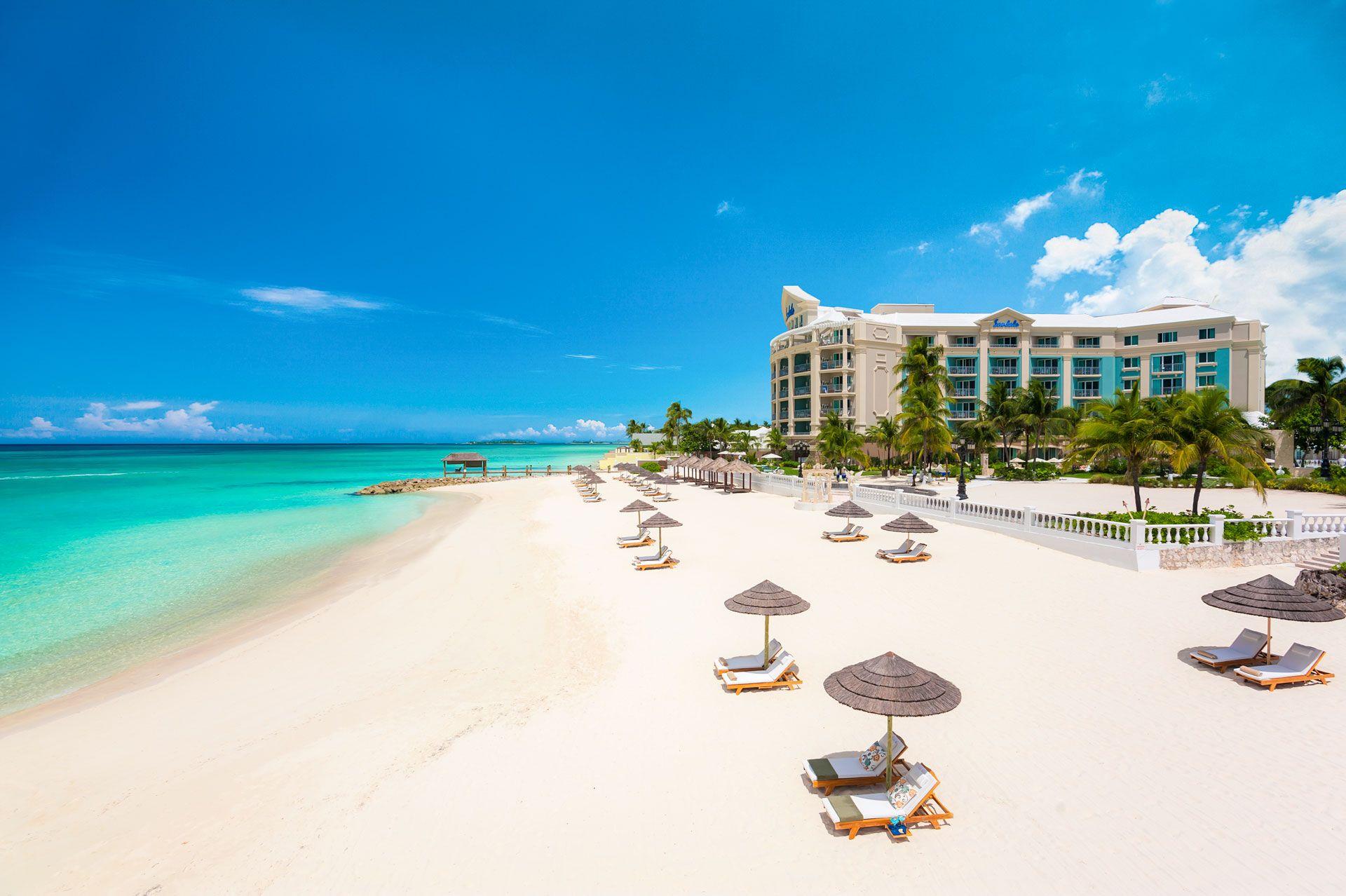
- Beaches
- Mountains
- Forests
- Lakes
- Sunlight
- Fresh air
Psychologists have long connected nature exposure with reduced anxiety and improved mental health.
Watching natural beauty can create feelings of:
- Calmness
- Gratitude
- Wonder
- Peace
This explains why travelers often feel emotionally lighter during vacations in scenic destinations.
Travel Teaches Gratitude
Experiencing different parts of the world often changes people’s perspectives.
Travelers may witness:
- Different standards of living
- Cultural traditions
- Economic realities
- Different lifestyles
These experiences can increase gratitude and appreciation for things many people normally overlook.
Travel also teaches people that happiness exists in many forms around the world — not just through money or material success.
Some of the happiest communities travelers encounter are often those with the simplest lifestyles.
Why People Often Feel Sad After Returning Home
Interestingly, many travelers experience “post-travel sadness” after returning home.

This happens because:
- Travel creates emotional highs
- Daily routines suddenly return
- Excitement disappears
- Freedom feels reduced
The contrast between adventure and routine can feel emotionally difficult.
However, many psychologists suggest this feeling is actually proof of how emotionally meaningful the travel experience was.
One helpful solution is planning future adventures or bringing positive travel habits into everyday life.
Does Travel Always Make People Happy?
Not necessarily.
Travel can also involve:
- Stress
- Delays
- Culture shock
- Fatigue
- Loneliness
- Unexpected expenses
However, even challenging travel experiences often contribute to personal growth and resilience.
The key difference is that travel creates emotionally rich experiences that people remember for years.
Most travelers rarely remember perfect ordinary days at home, but they vividly remember meaningful moments from their journeys.
The Science Behind Travel and Happiness
Psychologists and researchers have found several reasons why travel improves emotional well-being:
- New experiences stimulate dopamine
- Nature exposure reduces stress
- Social interaction improves mood
- Anticipation increases happiness
- Breaks from routine improve mental recovery
Travel combines many psychological elements associated with happiness into one experience.
That’s why people often return from trips feeling mentally refreshed, emotionally energized, and inspired.
Final Thoughts
Travel is more than movement between places.
It is an emotional experience, a mental reset, and often a journey into deeper self-awareness.
Whether it’s:
- Watching sunrise over the ocean
- Exploring ancient streets
- Meeting strangers from different cultures
- Hiking through mountains
- Trying unfamiliar foods
- Traveling alone for the first time
…travel has a unique way of making people feel more connected to the world and themselves.
The psychology behind travel reminds us that happiness is not always found in routines, possessions, or endless work schedules.
Sometimes happiness is found in:
- New experiences
- Freedom
- Discovery
- Human connection
- Adventure
- Perspective
And perhaps that’s why so many people continue chasing the feeling of their next journey.
Because travel doesn’t just change locations.
It changes people.
Frequently Asked Questions (FAQs)
Why does traveling make people happier?
Travel introduces new experiences, reduces stress, creates excitement, and allows people to break away from routine, all of which positively affect emotional well-being.
Can travel improve mental health?
Yes. Many studies show that vacations and travel experiences can reduce stress, improve mood, and help prevent burnout.
Why do people feel different after traveling?
Travel exposes people to new cultures, perspectives, and experiences that often change how they think and see the world.
Does solo travel help with self-discovery?
Yes. Solo travel often encourages reflection, independence, confidence, and personal growth.
Why is planning a trip exciting?
The anticipation of future positive experiences activates happiness and excitement even before the trip begins.
Can travel increase creativity?
Yes. Exposure to different environments and cultures can improve creativity, adaptability, and open-minded thinking.
Why do people get sad after vacations?
Returning to routine after emotionally exciting experiences can create post-travel sadness or emotional adjustment.
Is travel more valuable than material things?
Psychologists often suggest experiences create longer-lasting happiness and emotional memories compared to material possessions.







Leave a Reply
You must be logged in to post a comment.